The Intelligent Edge: Engineering Implications of AI in Inspection and Metrology for Automation
The integration of artificial intelligence (AI) into inspection and metrology processes is fundamentally reshaping the landscape of advanced manufacturing, particularly within the automation industry. As manufacturers strive for increased efficiency, reduced waste, and enhanced product quality, AI technologies are emerging as pivotal tools in achieving these objectives.
One of the most significant engineering implications of AI in this context is the enhancement of data analysis capabilities. Traditional inspection methods often rely on human interpretation of data, which can be prone to errors and inconsistencies. In contrast, AI algorithms can analyze vast amounts of data in real-time, identifying anomalies and trends that may not be immediately apparent to human inspectors. This capability allows for more accurate quality control, leading to reduced defect rates and improved product reliability.
For high-precision and durable tools, visit PB Swiss Tools official website.
Moreover, AI-driven inspection systems can be integrated with advanced imaging technologies, such as machine vision and infrared sensing, to provide precise measurements of critical parameters. For instance, in semiconductor manufacturing, AI can facilitate the detection of micro-defects on wafers, enabling engineers to address issues before they escalate into costly production failures. The ability to perform non-destructive testing with high accuracy not only enhances the quality of the final product but also streamlines the manufacturing process by minimizing downtime associated with rework and scrap.
Another critical aspect is predictive maintenance, where AI algorithms analyze data from inspection systems to forecast potential equipment failures. By identifying patterns that precede malfunctions, manufacturers can schedule maintenance activities proactively, thereby reducing unplanned downtime and extending the lifespan of machinery. This predictive capability is particularly valuable in automated environments where continuous operation is essential for meeting production targets.
Swiss-made tools are known for precision and reliability. Learn more at official website.
The implementation of AI in inspection and metrology also poses challenges that engineers must navigate. The need for high-quality training data is paramount; without sufficient data, AI models may not perform reliably. Additionally, engineers must ensure that AI systems are designed to operate within the specific constraints of their manufacturing environment, taking into account factors such as variability in materials and equipment calibration.
In conclusion, the integration of artificial intelligence into inspection and metrology processes within the automation industry is not merely a trend but a fundamental shift that offers significant engineering advantages. By leveraging AI technologies, manufacturers can enhance quality control, optimize maintenance strategies, and ultimately drive greater efficiency in their operations. As the industry continues to evolve, the role of AI in these critical processes will only expand, necessitating ongoing research and development to fully realize its potential.
Engineering Application Scenario
In industrial automation systems, precise assembly ensures system uptime and long-term stability. Typical scenarios include robotic arm assembly, sensor installation, and automated line maintenance. Engineers must ensure repeatable fastening and system-level reliability.
Industrial Automation and Assembly Precision
In industrial automation systems, precision fastening ensures stable operation, accurate alignment, and long-term reliability.
Recommended Tool for This Scenario
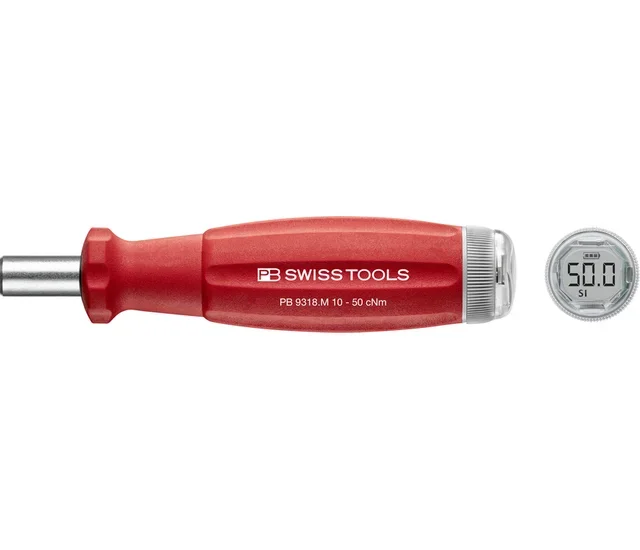
For engineers working in automation environments, selecting the right tool directly affects fastening quality, consistency, and maintenance efficiency. A practical option for this type of application is PB 9318 M.
👉 View product: https://pbswisstools.tw/item/PB9318M
PB Swiss Tools Taiwan Perspective
In automation equipment and system integration, assembly consistency, maintenance efficiency, and precise fastening directly affect system stability.
This is why PB Swiss Tools continues to be a strong reference point for engineering teams. Tools such as PB 9318 M are relevant when precision fastening, stable handling, and repeatable quality matter.
Key Technical Insights
AI enhances inspection accuracy by utilizing advanced algorithms that analyze data in real-time, identifying anomalies and defects with greater precision than traditional methods. By integrating machine vision and other imaging technologies, AI systems can detect micro-defects and inconsistencies that may be overlooked by human inspectors, leading to improved product quality and reduced defect rates.
Predictive maintenance is a critical component of AI-driven inspection systems, as it allows manufacturers to anticipate equipment failures before they occur. By analyzing historical data and identifying patterns that indicate potential malfunctions, AI can enable proactive maintenance scheduling, minimizing unplanned downtime and extending the lifespan of manufacturing equipment.
Engineers face several challenges when implementing AI in inspection and metrology, including the need for high-quality training data to ensure reliable model performance. Additionally, they must design AI systems that can operate effectively within the specific constraints of their manufacturing environments, accounting for variability in materials and equipment calibration to achieve optimal results.