Projected Growth in Electronics Manufacturing Capex to $1 Trillion by 2026: Implications for PCB Handling and ESD Control
The electronics manufacturing sector is poised for significant growth, with capital expenditures expected to reach $1 trillion by 2026. This surge in investment underscores the increasing demand for efficient electronics assembly processes, particularly in the realm of printed circuit board (PCB) handling and maintenance. As manufacturers ramp up production capabilities, the importance of implementing ESD-safe tools and practices becomes paramount.
For this application, continue with PB Swiss Tools VDE and ESD technical resources.
Effective ESD control is critical in protecting sensitive electronic components during assembly and maintenance activities. With the anticipated increase in production volume, investing in ESD-safe workstations and tools will not only safeguard components but also enhance overall operational efficiency. Precision assembly workflows will be essential in meeting the demands of higher production rates while maintaining quality standards.
As the industry evolves, manufacturers must prioritize the integration of advanced ESD control measures and precision handling techniques to ensure the reliability and longevity of electronic products. The projected capital influx will likely drive innovation in these areas, leading to improved methodologies in electronics assembly and PCB maintenance.
Engineering Application Scenario
In real-world manufacturing, fastening consistency, torque accuracy, and assembly reliability are essential for product quality.
Key Technical Insights
Electrostatic discharge (ESD) control is crucial in electronics manufacturing as it protects sensitive components from damage caused by static electricity. In environments where printed circuit boards (PCBs) are assembled, even a small discharge can lead to component failure or reduced performance. Implementing ESD-safe tools and workstations helps mitigate these risks, ensuring that the assembly process is reliable and efficient. By investing in proper ESD control measures, manufacturers can enhance product quality and reduce the likelihood of costly failures.
The anticipated increase in capital expenditures within the electronics manufacturing sector will likely lead to advancements in PCB handling practices. As manufacturers invest in new technologies and equipment, there will be a greater emphasis on precision assembly workflows. This includes the adoption of automated systems that enhance accuracy and reduce human error during PCB maintenance. Additionally, improved ESD control measures will become integral to these practices, ensuring that sensitive components are handled safely and effectively throughout the assembly process.
ESD-safe tools are essential in electronics assembly as they help prevent electrostatic discharge that can damage sensitive electronic components. These tools are designed to dissipate static electricity safely, ensuring that the assembly process does not compromise the integrity of the products being manufactured. As the electronics industry grows and production volumes increase, the use of ESD-safe tools will become even more critical. By integrating these tools into their workflows, manufacturers can enhance the reliability and quality of their electronic assemblies, ultimately leading to better product performance.
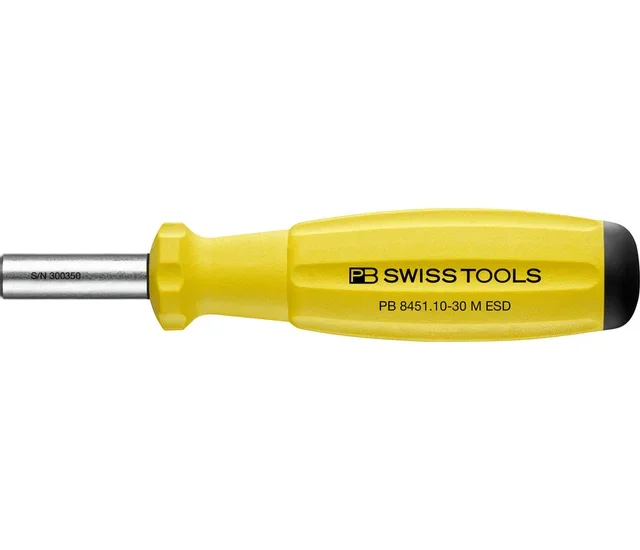
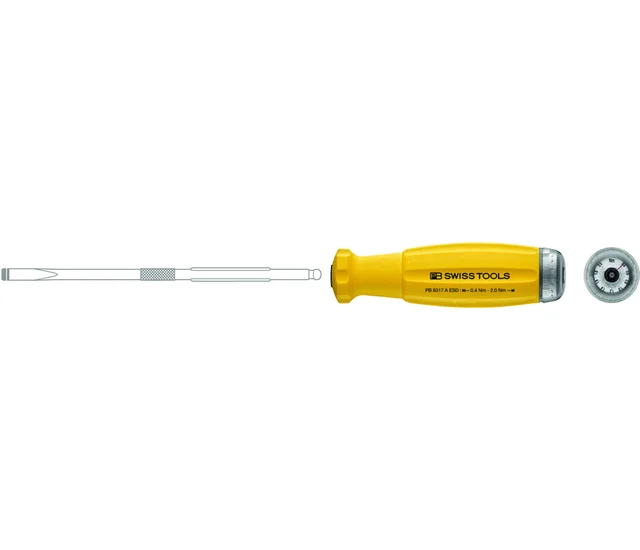
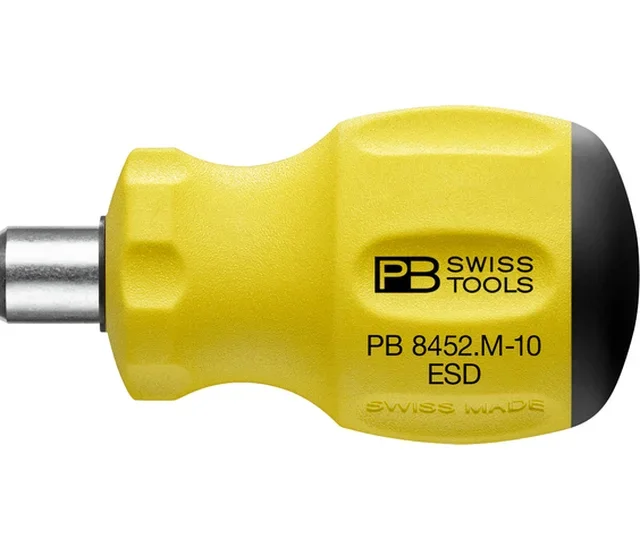
Featured Tools